

 You eat well, do your exercise, drink plenty of water, and get at least seven hours of sleep. You’ve been doing this consistently for the past 15 years, but recently you notice some things are starting to change. Your strength starts to decline, you don’t recover as well form your workouts, you feel lethargic and moody, your sex drive is way down and you notice your body composition is heading in the wrong direction. While many will say that this is simply a matter of growing old, research in the field of endocrinology (the study of hormones) tells us there’s an explanation to these changes: low testosterone (Low T).
 Aging-induced testosterone decline (about age 30) is associated with the overactivity of an enzyme which converts testosterone into dihydrotestosterone (DHT). This process also decreases the amount of testosterone in men, putting them at risk for prostate enlargement, androgenic alopecia (hair loss) and cancer.
Also exposure to chemical, unfortunately, is causing this decline to occur in men in an earlier age and is completely impacting their biology. Recently, for instance, both statin drugs and the active ingredient in Roundup herbicide were found to interfere with the testicle’s ability to produce testosterone.
Symptoms of low testosterone
- Mood disturbance including irritability, depression and feeling tired
- Difficulty with concentration/memory loss
- Sleep difficulties
- Loss of muscle size/strength and increased body fat
- Osteoporosis (loss of bone)
- Decreased sex drive and/or problems with erections
- Potentially associated with other chronic medical conditions such as diabetes and cardiovascular disease
Maintaining an estrogen-testosterone balance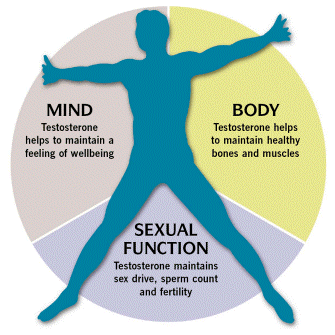
Another Hormone that increases in men by ageing is estrogen. This happens when your body converts some of its already depleted testosterone to estrogen (estradiol). Excess estrogen puts us at higher risk of cancer. Symptoms of excess estrogen in ageing men include the development of breasts, having too much abdominal weight, feeling tired, suffering a loss of muscle mass, and having emotional disturbances. Many of these symptoms correspond to testosterone deficiency as well.
How to get around it?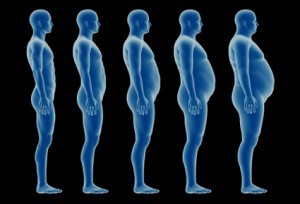
The key is increase testosterone while blocking the production of estrogen. You can do that by adding the following nutrients to your health regimen.
- Tribulus 250-750 mg /day
- DIM (natural ingredients in cabbage family), Di-indolylmethane does not block all estrogens (there are many types of estrogen) but, rather, blocks production of 16-alpha-hydroxyestrone, thought to be the most cancer-promoting estrogen metabolite.
- Lycopene ( a great antioxidant in tomato)
And if you really want to boost your sex life, consider taking these other nutrients;
- Pantothenic acid (vitamin B5)
- Arginine
- Ginkgo biloba
- Eurycoma Longifolia
- Yohimbine (from Yohimbe extract, bark)
References:
- Dunajska K, Milewicz A, Szymczak J, et al. Evaluation of sex hormone levels and some metabolic factors in men with coronary atherosclerosis. Aging Male. 2004 Sep;7(3):197-204.
- Vermeulen A, Kaufman JM, Goemaere S, van Pottelberg, I. Estradiol in elderly men. Aging Male. 2002 Jun;5(2):98-102.
- Ellem SJ, Risbridger GP. Aromatase and prostate cancer. Minerva Endocrinol. 2006 Mar;31(1):1-12.
- Cavalieri E, Rogan E. Catechol quinones of estrogens in the initiation of breast, prostate, and other human cancers: keynote lecture. Ann NY Acad Sci. 2006 Nov;1089:286-301.
*This article is informational only
